Hume Band Real Review
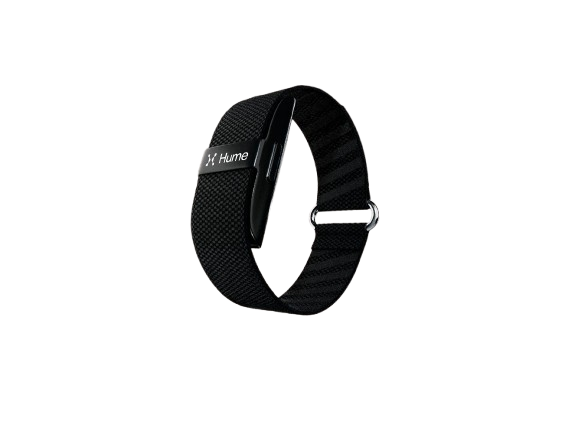
Hume Band Review 2026: Can This Screenless Health Tracker Really Reveal Hidden Recovery, Sleep, and Energy Patterns?
Real User Hume Band Updated 2026 Review
Hume Band Claims To Reveal Hidden Health and Recovery Data — But Is It Actually Worth It?
Sara Jay (30-day User Hume Band)

Wearable health devices have become extremely popular in recent years. Millions of people now rely on smartwatches and fitness trackers to monitor their daily activity, sleep, and heart rate.
But many users eventually realize that most devices only provide surface-level information.
They can tell you how many steps you took — but not whether your body is truly recovered.
They can track your heart rate — but not whether your nervous system is under stress.
They can monitor sleep duration — but not whether your sleep was actually restorative.
When we first came across the Hume Band, its claims immediately stood out.
It promised to track deeper physiological signals like heart rate variability (HRV), recovery levels, sleep stages, blood oxygen, and skin temperature — metrics often associated with more advanced health monitoring systems.
But what made this especially interesting was the manufacturer’s 45-day money-back guarantee.
This meant there was enough time to properly evaluate the device under real-world conditions — without financial risk. If it failed to provide meaningful insight, it could simply be returned.
Because of this risk-free trial period, we decided to conduct a full editorial analysis to determine whether the Hume Band genuinely delivers useful health insights — or if it’s simply another overhyped wearable.
What we discovered after examining its technology, tracking capabilities, and reported user experience was more revealing than expected.
PROS AND CONS
PROS:
✔ Tracks advanced recovery metrics like HRV and physiological strain
✔ Provides detailed sleep stage analysis, including REM and deep sleep
✔ Monitors blood oxygen levels and skin temperature continuously
✔ Lightweight, comfortable design suitable for 24-hour wear
✔ No screen, eliminating constant notifications and distractions
✔ Multi-day battery life on a single charge
✔ Companion app provides easy-to-understand recovery insights
CONS:
✖ Only available through official online channels
✖ Requires syncing with the mobile app to view data
✖ Full insights may require app subscription
✖ Requires consistent use for best results
What is Hume Band?
Hume Band Review
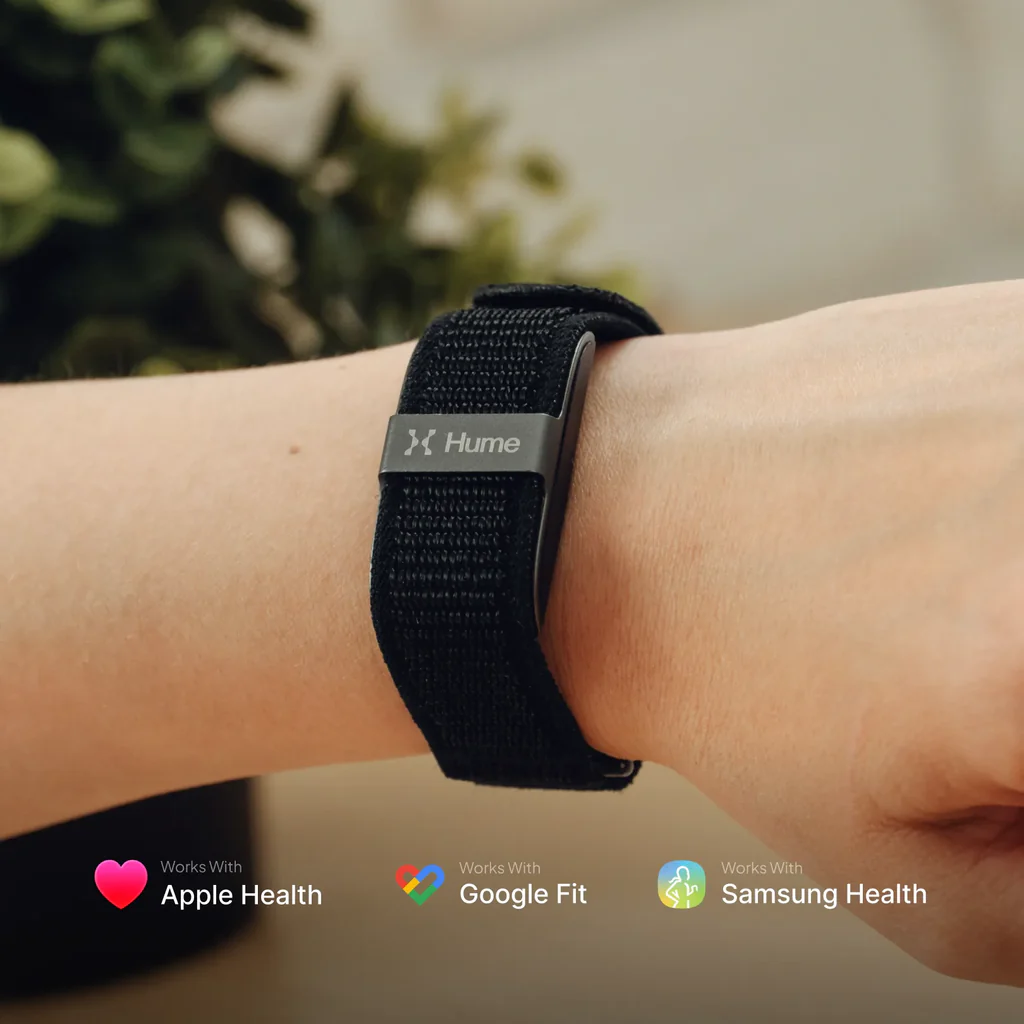
Hume Band is a wearable health tracking device designed to monitor the body’s internal physiological signals continuously throughout the day and night.
Unlike traditional fitness trackers that prioritize notifications, apps, and screen interaction, Hume Band was designed with a different philosophy: reduce distractions and focus entirely on health monitoring.
The band does not include a screen. Instead, it operates silently in the background, collecting biometric data and transmitting it to its companion mobile app.
It monitors several important physiological indicators, including:
• Heart rate and heart rate variability (HRV)
• Sleep stages, including deep sleep and REM cycles
• Blood oxygen saturation (SpO₂)
• Skin temperature fluctuations
• Movement patterns and physical activity
• Recovery and physiological strain scores
These measurements help provide insight into how the body responds to stress, exercise, and rest.
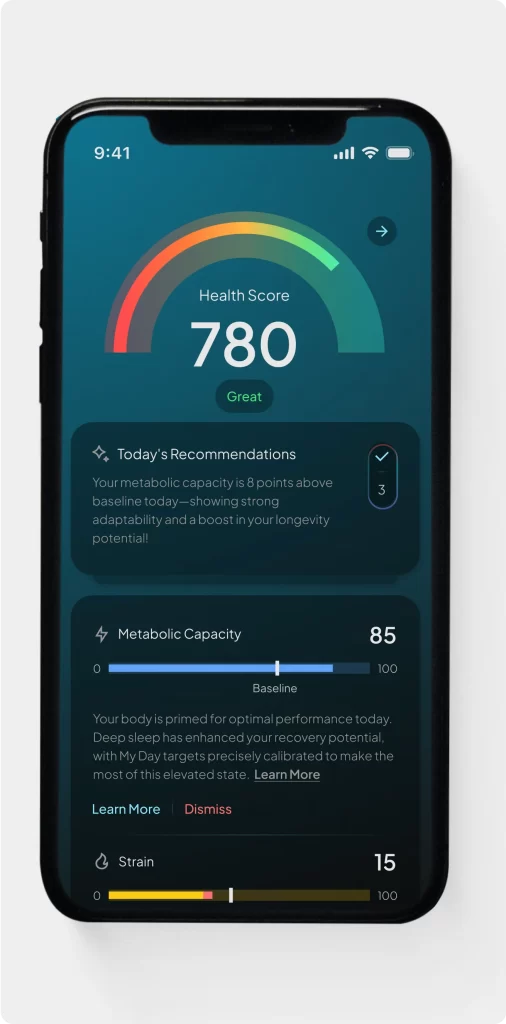
Rather than overwhelming users with raw data, the system translates complex signals into simplified recovery and readiness scores.
This helps users better understand whether their body is fully recovered — or still under stress.
So What You are Waiting for?
Place your Order with 30% OFF on the Official Hume Band™ Website!
How does Hume Band Work?
Hume Band uses optical sensor technology to measure physiological signals beneath the skin.
This technology, known as photoplethysmography (PPG), works by emitting light into the skin and analyzing how blood flow patterns change in response.
These patterns reveal important information about the cardiovascular system and nervous system activity.
One of the most important metrics it tracks is Heart Rate Variability (HRV).
HRV measures the variation between heartbeats and is widely recognized as a key indicator of recovery and stress levels.
Higher HRV typically reflects better recovery and nervous system balance, while lower HRV can indicate fatigue, stress, or insufficient recovery.
The device also monitors sleep cycles by analyzing heart rate, movement, and physiological signals throughout the night.
This allows it to estimate time spent in deep sleep, light sleep, and REM sleep.
Over time, these patterns help build a clearer picture of overall recovery trends.
So What You are Waiting for?
Place your Order with 30% OFF on the Official Hume Band™ Website!
The Technology Behind Hume Band
Hume Band integrates multiple sensors that work together to monitor physiological activity continuously.
These include:
• Optical cardiovascular sensors
• Blood oxygen monitoring sensors
• Skin temperature sensors
• Motion and activity detection sensors
This combination allows the device to monitor subtle physiological changes that may not be noticeable otherwise.
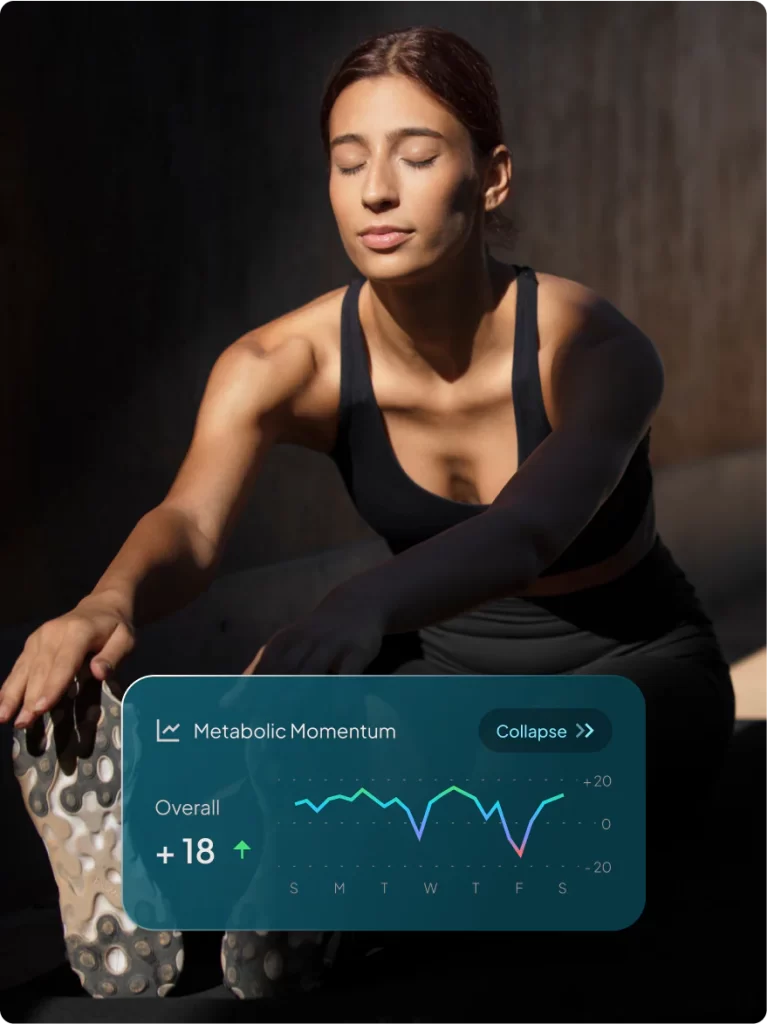
The companion app then analyzes this data using specialized algorithms to generate recovery scores and readiness insights.
This allows users to understand how their body responds to sleep, stress, and physical activity.
So What You are Waiting for?
Place your Order with 30% OFF on the Official Hume Band™ Website!
Key Benefits and Insights Provided
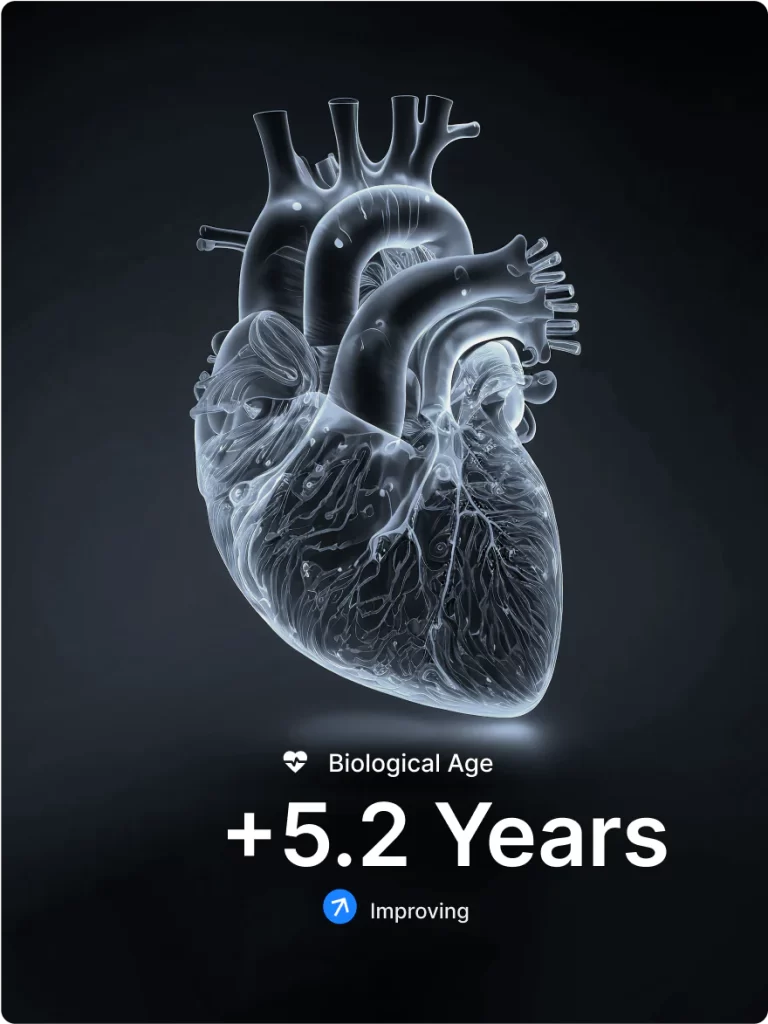
Based on its tracking capabilities, Hume Band may help users gain insight into several important areas:
• Understanding whether sleep is truly restorative
• Monitoring recovery after physical activity
• Identifying patterns related to stress and fatigue
• Recognizing how lifestyle habits impact recovery
• Improving awareness of overall physiological trends
Many users find that simply having access to this information allows them to make more informed decisions about rest, exercise, and daily routines.
Instead of relying on guesswork, they can use physiological signals as guidance.
Frequently Asked Questions
How long does it take to generate useful insights?
Most users begin to see meaningful recovery and sleep data within the first 1–2 weeks.
Does it need to be worn continuously?
Continuous wear provides the most accurate and useful insights.
Is it comfortable for sleep?
Yes, the lightweight design allows comfortable overnight wear.
How long does the battery last?
Battery life typically lasts several days depending on usage.
Is it waterproof?
It is water-resistant and suitable for everyday use.
Final Verdict: Is Hume Band Worth Considering?
Hume Band offers a different approach compared to most wearable devices.
Rather than focusing on notifications and screen interaction, it focuses entirely on monitoring the body’s internal physiological state.
Its ability to track recovery signals, sleep stages, and cardiovascular patterns provides deeper insight into how the body responds to daily stress and activity.
For individuals interested in better understanding their recovery, sleep quality, and physiological trends, this type of information can be valuable.
While individual experiences may vary, Hume Band appears to offer meaningful health monitoring capabilities for those seeking deeper insight beyond basic activity tracking.